Disability Advocates Call on Legislators to ‘Protect the Progress’

June 8, 2026
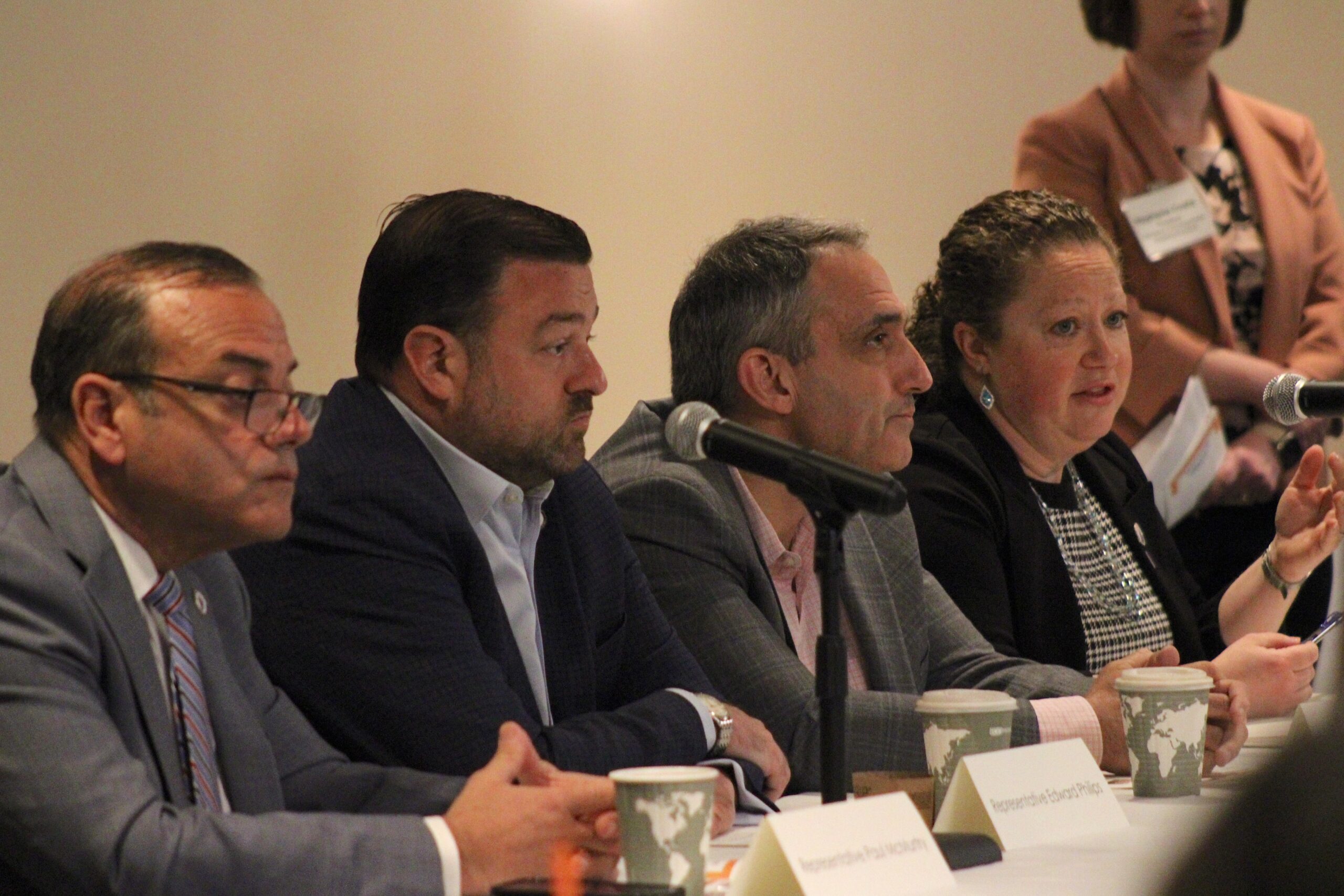
• A panel of local lawmakers heard from the disability community and offered feedback on efforts to alleviate their concerns Friday morning at the Needham Sheraton.
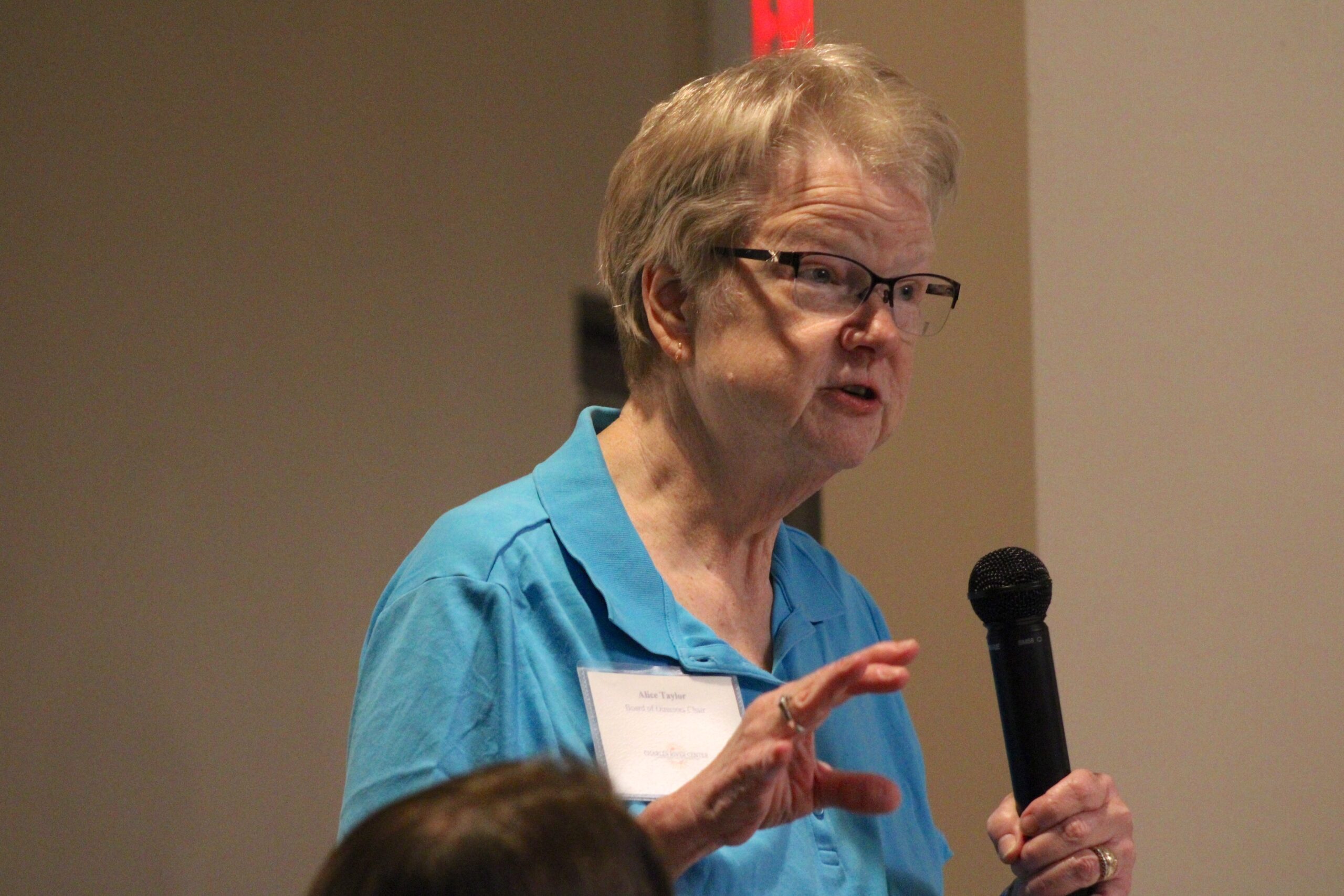
For caregivers of those with severe lifelong disabilities, receiving the “dreaded blue envelope” is alarming, said Alice Taylor, chair of Needham’s Charles River Center.
The envelope, which contains paperwork requiring people with disabilities to reapply to MassHealth each year, serves as a reminder of the failures in the health care system and threatens loss of coverage to those most in need, speakers said Friday.
“This is a process that takes the state two to five months to get the information, verify it, confirm eligibility,” said Taylor, the parent of a 40-year-old with severe autism. “When you find a cure, let me know, because it’s not changing. I got the blue envelope, I freaked out in the first year. It took a long time. We finally got everything resolved.”
Parents, self-advocates and disability leaders emphasized the challenges they face to a panel of state legislators Friday morning. Those include cuts to Medicaid, nursing and clinical staffing shortages and the perceived lack of support for special needs students who age out of the public school system at 22 years old.
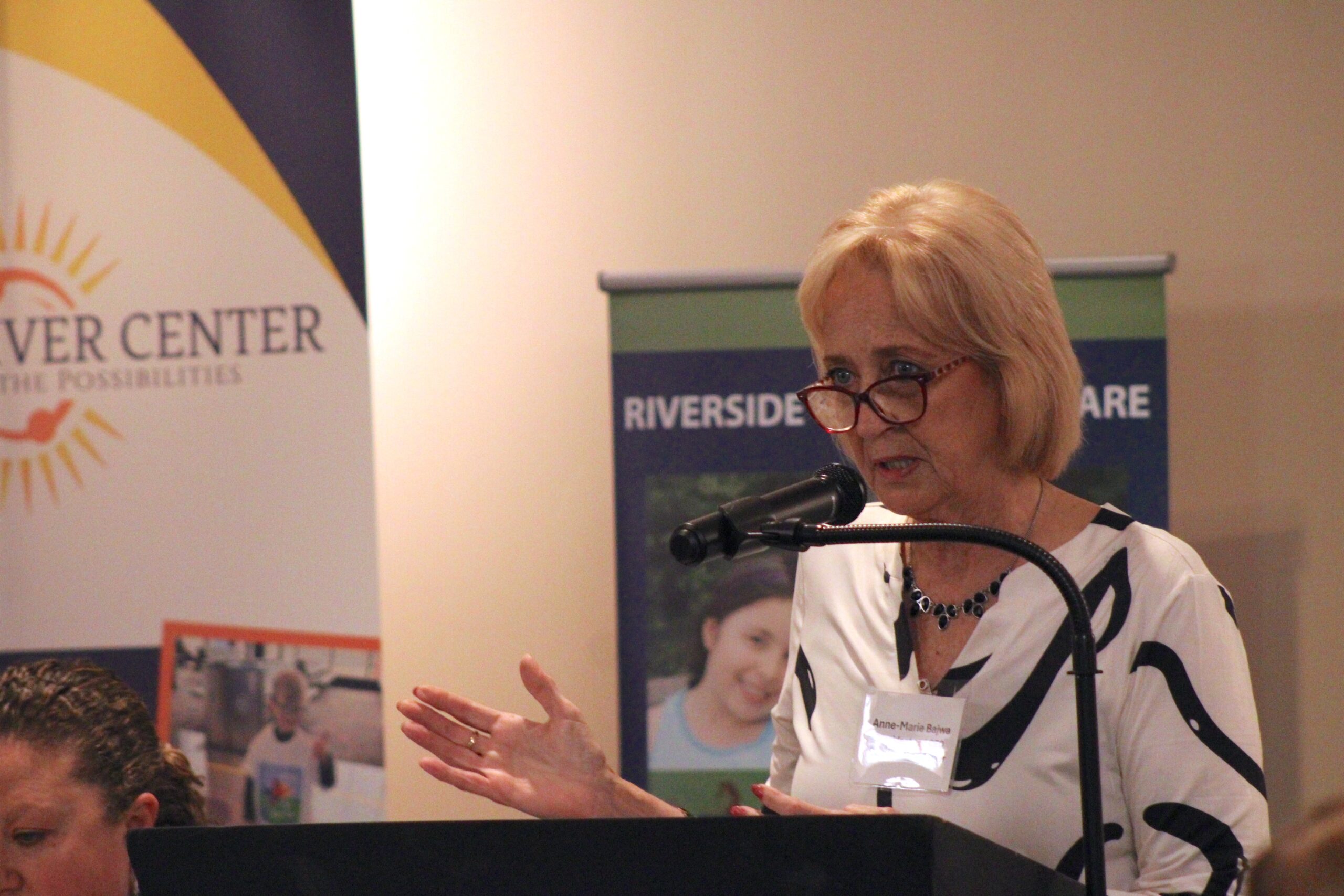
Anne-Marie Bajwa, president and CEO of the Charles River Center, said she hoped bringing the group together would be “a start of change” and “beginning to a practical solution.”
“It’s about capacity,” she said at the breakfast. “It’s about the capacity to build a sustainable workforce. It’s about the capacity to meet the needs of the people we’re already serving, whose needs are expanding, and also to take in new people.”
The CRC, which provides support for people with intellectual disabilities through programming and services, hosted the event alongside Lifeworks and Riverside Community Care. Across the three organizations, Bajwa estimated they collectively serve 8-10,000 people in the intellectual developmental disability space.
While legislators admitted some powerlessness over federal action, they shared recent state action, including their own Blue Envelope Program that helps public safety officers understand and communicate with people on the autism spectrum.
Lawmakers also recently passed a bill overturning archaic language referring to disabled people from the General Laws. That bill now awaits Gov. Maura Healey’s signature.
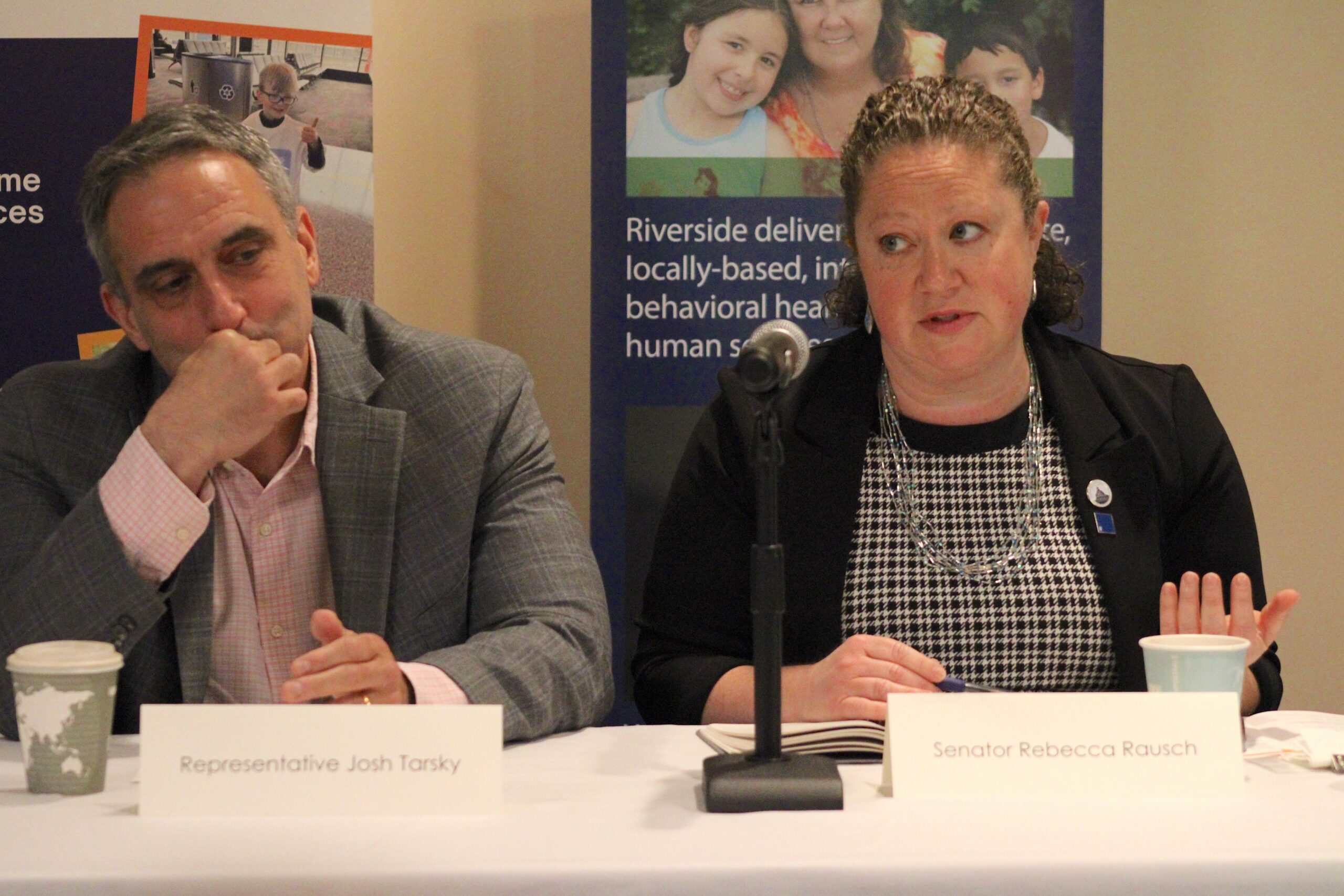
State Sen. Becca Rausch, D-Needham, said what’s happening in Washington, D.C. is “cruel and awful.” While state budget talks for FY27 are already underway, Rausch said the event Friday offered an opportunity for connection and priority-setting.
“Often the most persuasive advocacy is from you, is from families, individuals, receiving services,” she said, “because you convey in a way that none of us can… Those personal stories and personal engagement can really make a difference.”
While working in education, State Rep. Josh Tarsky, who also represents Needham, said he first encountered individual education plans (IEPs) for special needs students. For students between 18 and 22 years old, Tarsky and administration would discuss next steps for their post-high school life. “It was a real problem that parents, students fretted over,” he said.
The long waitlists for placement in adult services — Bajwa said more than 2,000 people in Massachusetts are waiting — as well as lack of staff and “bureaucracy” need to be improved, Tarsky said.
“These are things that, to be honest, we just need to do better,” he said. “We need to find ways to attract people into nursing in the medical profession. We need to find ways to get students from age 22 into these type of care places, so that they can get the services that they need and not have this delay, which does cause loss of skill and also puts an extreme burden in some cases on the families that have to support them until placement is found.”
Leslie Lockhart, a member of the CRC board of directors, said her 41-year-old daughter Julia attends the day program at the CRC, where she enjoys spending time with friends, making art and attending the sign language club. The threats to Medicaid coverage, Lockhart said, “are very frightening.”
“Medicaid is really, it’s a lifeline to people… I’m more and more aware of the concerns about isolation and not learning, not growing, not doing things, and how essential that is to have a healthy life,” Lockhart said. “I think a lot of us feel shoved aside and neglected by our country, and I’m very grateful to all of you for caring, and to all the wonderful things that Medicaid has made possible, and Charles River has made possible.”
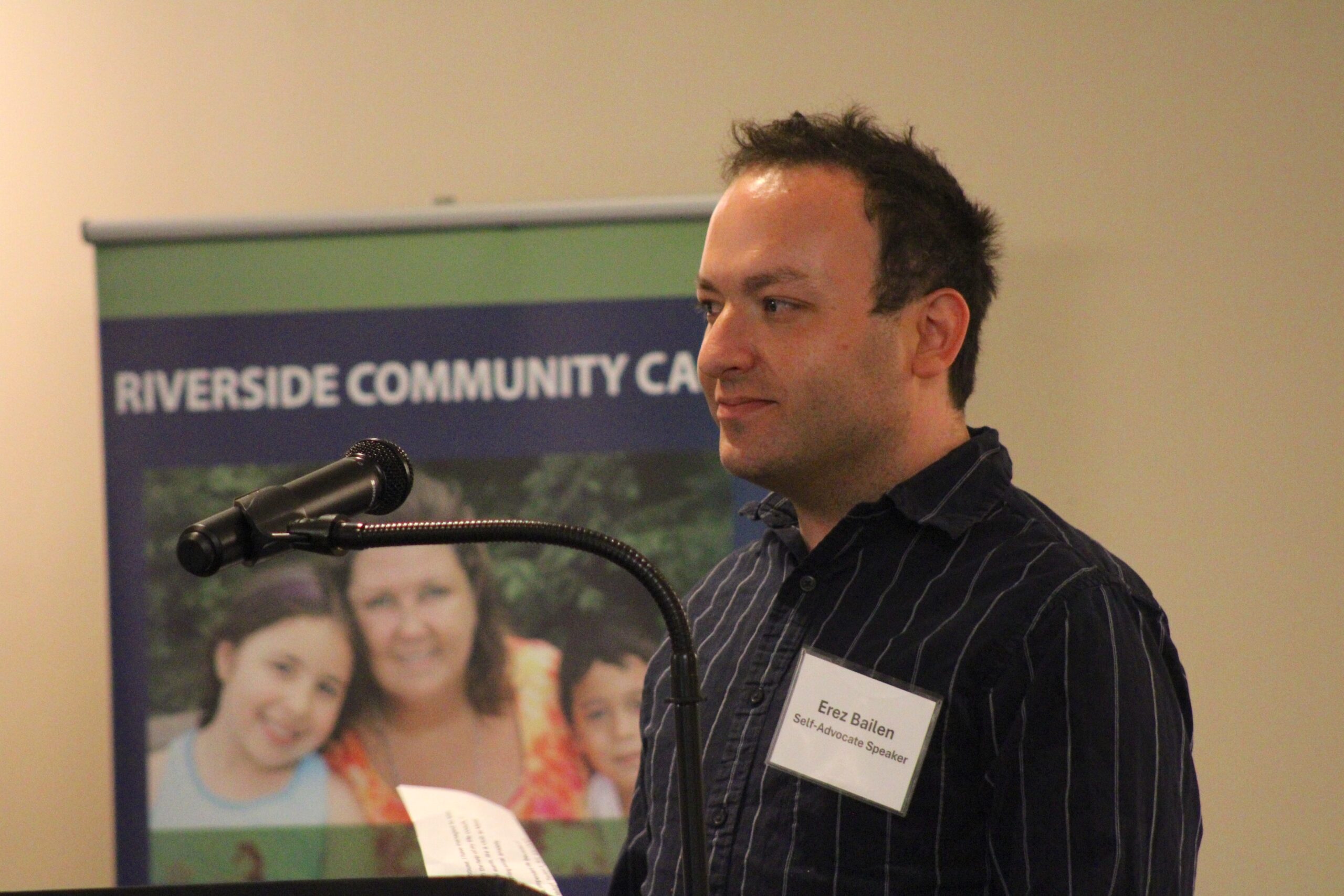
Through Riverside, Erez Bailen receives support with a therapist and psychiatrist, covered by Medicare and Medicaid. The 32-year-old, who once was hospitalized yearly, reports living a healthier, fuller life.
Bailen, who has Autism Spectrum Disorder and major depression, said he secured Section Eight housing and support staff to live independently. SNAP and Supplemental Security Income also help, he said.
“Without these programs, my life would be very limited, very difficult,” Bailen said. “Please don’t allow these programs and services to be cut.”
Legislators present underscored the importance of meeting with affected community members. Rep. Paul McMurtry, who represents the 11th Norfolk District, said it is “important to develop those relationships” with state lawmakers. Tarsky said the state budget showcases that “our priorities still lie in this population.”
Maura Sullivan of The Arc of Massachusetts — an advocacy organization for people with disabilities — ended the breakfast with a call to action. She highlighted the “Turning 22 Commission” in the budget and future work to improve the human services workforce and establish supports in health care and residential placement.
“It looks like we have some work to do on this… and we will be shouting about these impacts and about the risks to our community,” Sullivan said. “We’ve made monumental change over 70 years, and we will continue to do this, but we all must protect the progress that we have made, the progress that those parents and advocates that came before us made, and we owe it to our loved ones and to the families that are coming after us.”