Field Maintenance at Local Diamonds Poses Costly Challenge

April 27, 2026
• Months of advocacy from Needham Baseball and Softball culminated in $40,000 toward maintenance. But the allocation doesn’t seem to be a panacea.
The spring baseball and softball season is underway, but questions about funding diamond maintenance have prompted the town and local youth sports groups to search for a more sustainable solution.
Needham Baseball and Softball, the local Little League organization, has contended for months that the town isn’t sufficiently taking care of their 25 usable diamonds, leading to complaints from fans. On the town’s side, staffing, weather and the sheer number of fields all present obstacles for timely maintenance.
But the cost for field maintenance is adding up for NBS. May Steinkrauss, the organization’s treasurer, told the Finance Committee in March that the program independently spent about $46,000 on diamond maintenance in 2024 and around $36,000 last year. Much of the tuition families pay goes toward field maintenance.
Recently, NBS contributed another $20,000 to the town for field maintenance, and the Park and Recreation Commission allocated $20,000 from its revolving fund for the same purpose. Additionally, a $25,000 allocation from Needham Parks and Forestry’s general fund is included in the proposed FY27 budget, which will be voted on at Town Meeting in May. That’s a $5,000 increase from the current year and totals about $300,000 spent on diamond maintenance.
This year, NBS asked the town to allocate $67,000, which is the cost to renovate eight diamonds, according to P&R Director Stacey Mulroy. If continued annually, diamonds would turn over every three years — an ideal maintenance schedule.
The town renovated some of the diamonds last summer, but months after the spring season began, NBS fields director Andrew Fink told the P&R Commission in January. He expressed his frustration across several commission meetings.
“It’s not fair for us to continue to subsidize the maintenance and renovation,” Fink told the commission. “We’re not the only people to use the fields, we know. Yes, we are the primary user on the diamonds, but we are somewhat at a breaking point over this issue.”
Around 900 local kids play spring baseball and softball through NBS, which is the most popular season, according to NBS leadership.
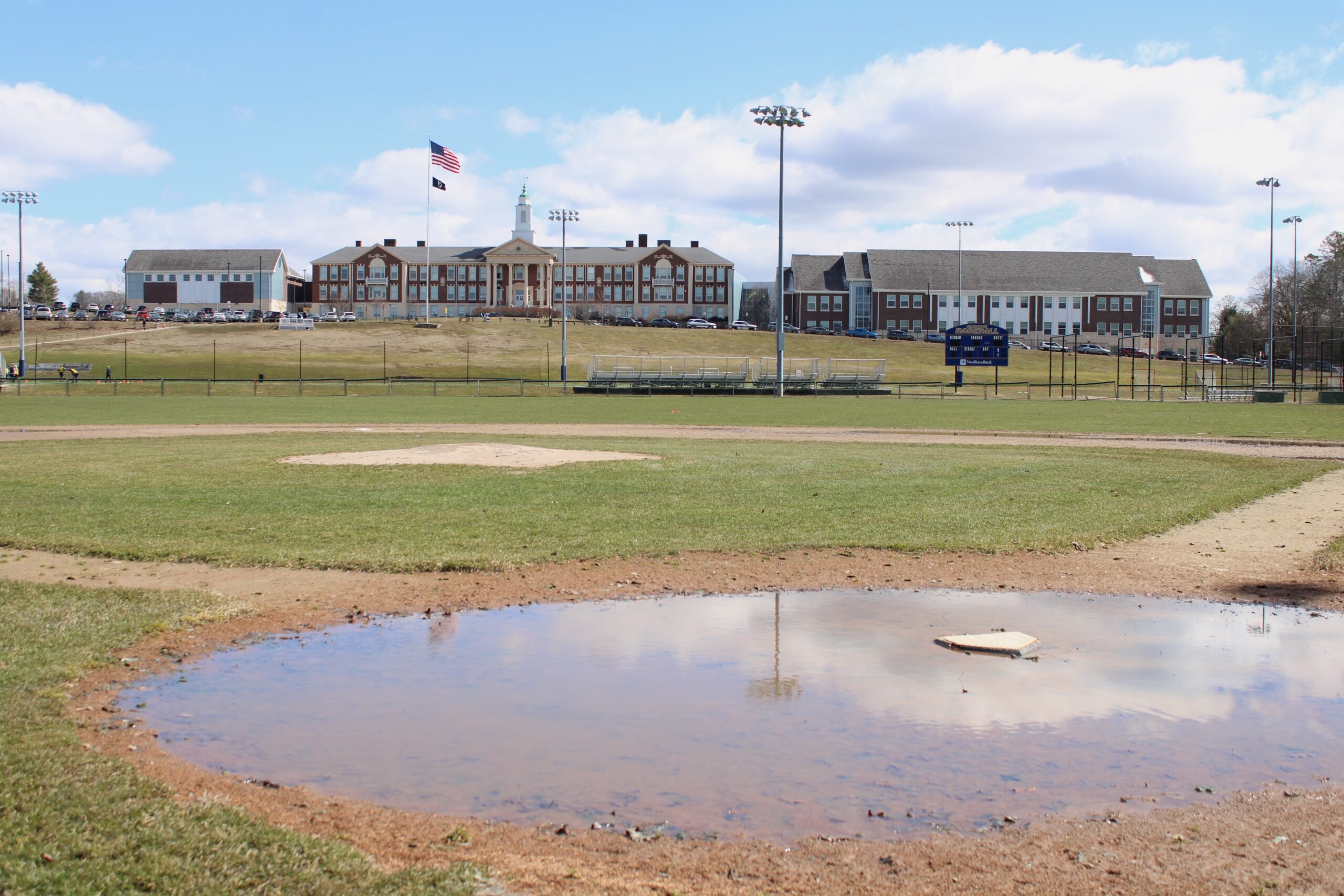
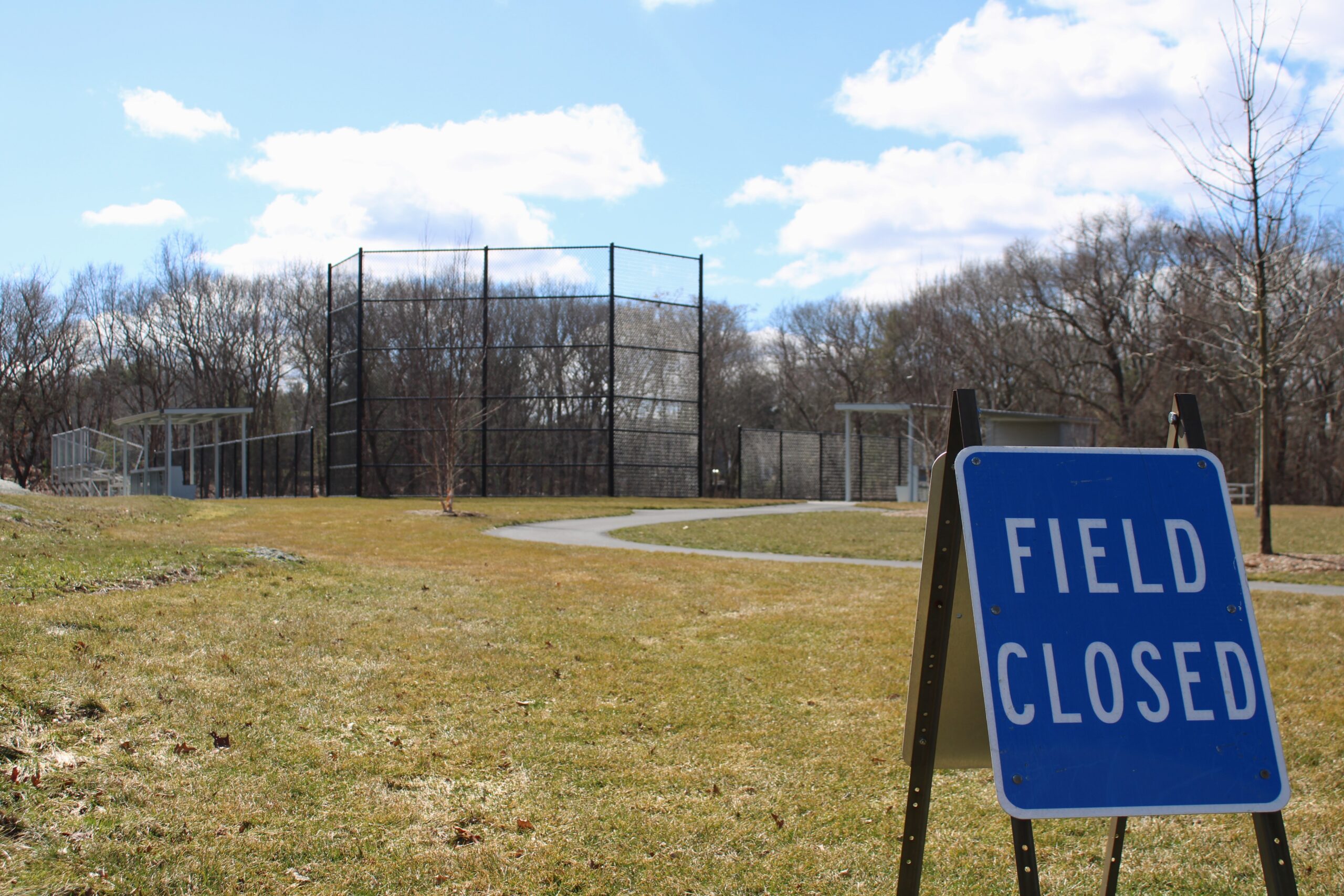
On a visit to some of the town’s baseball and softball fields in late March, water and debris collected around the bases and pitching mounds. The infields appeared in need of raking, though some of the outfields showed signs of aeration.
While its neighboring turf field seemed unaffected by the recent snow melt, home plate at Memorial Park’s grass diamond was engulfed in a large pool of standing water. That diamond, according to NBS President Dave Volante, “is a complete disaster.”
“Memorial, even in a light drizzle, is not a playable diamond,” Volante said at the Finance Committee’s March 25 meeting. “It could be really special. It’s a great spot for a baseball field, a great backdrop, and it, in any kind of rain event, is unplayable.”
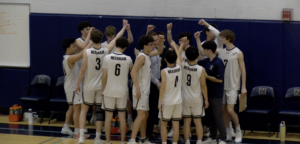
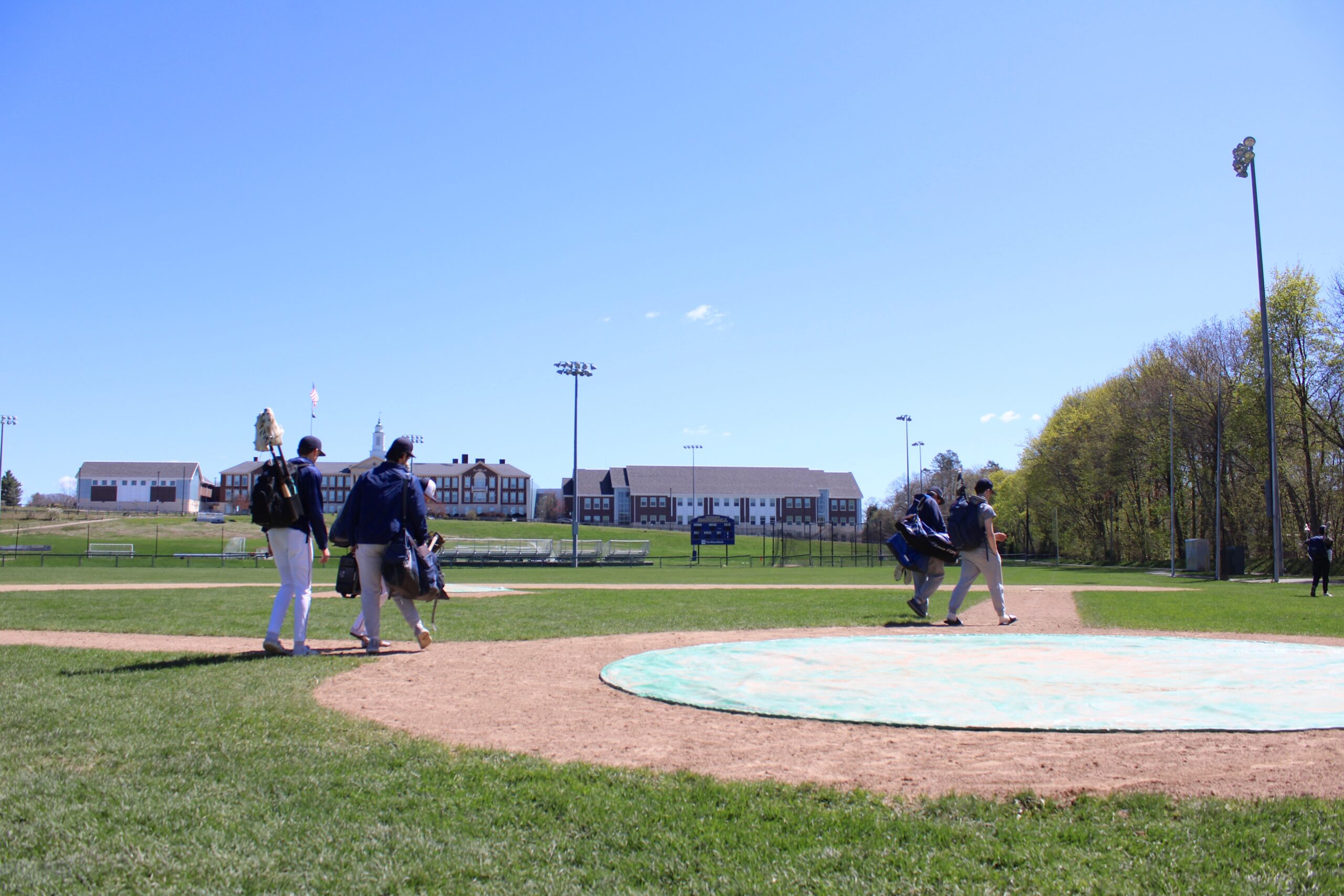
The Needham High School varsity baseball team’s April 18 game at Memorial was initially scheduled for the prior day, but was postponed after a bout of rain. The team practiced on the field the morning of April 24 under blue skies and warmer weather — and on a dry diamond.
As of April 8, all but one of the town’s grass diamonds were open, according to the town’s field status page. Memorial’s 90-foot grass diamond, one diamond at DeFazio Field, the diamond at Mills Field and Broadmeadow, and diamonds at both Pollard and Mitchell were some of the last fields to open.
Field openings for Needham’s spring sports season are typically scheduled for April 1, but that date came and went this year with little fanfare.
Mulroy, who joined Needham in 2020, said she doesn’t recall ever making the April 1 deadline for field openings, but “it’s usually within a week or [two].” Chris Gerstel, chair of the P&R Commission, said different fields open at different times, depending on their location and grade.
Weather impacts the conditions of the fields, Mulroy said, which poses setbacks.
“With all the snow and now all the melt, the water table will be very high and the fields won’t dry out for [awhile],” she wrote in an email in early March.
In an email, NBS leadership said they’d had “productive discussions with the town” about diamond maintenance in an effort “to come up with a consistent and sustainable solution.”
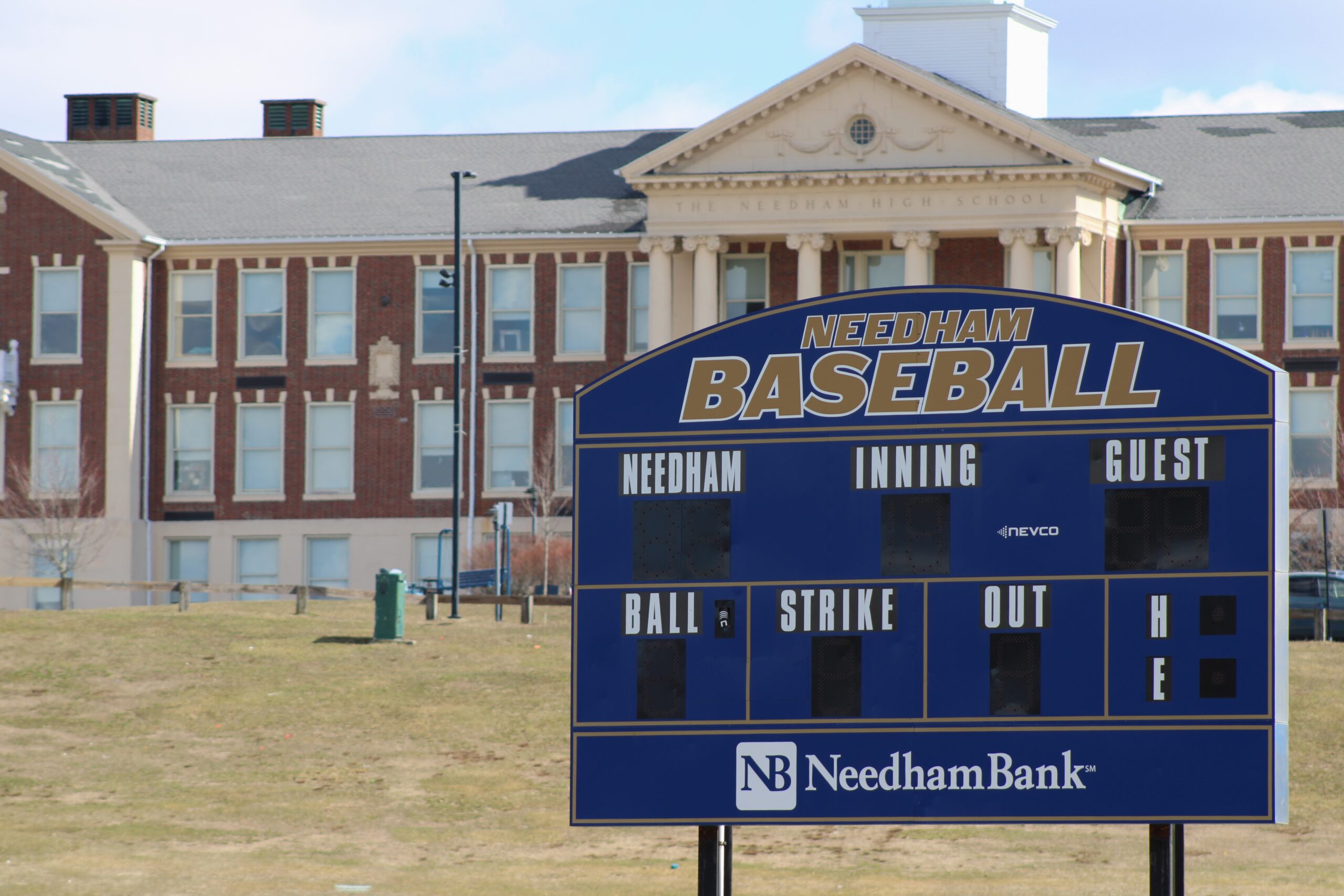
Their opening day celebration took place Sunday, April 12.
In neighboring communities, including Natick, Walpole and Waltham, user groups don’t pay for any additional services beyond what the town provides, according to a November 2025 survey conducted by the Town of Needham. Lexington and Framingham indicated user groups will pay for overtime, while Dedham’s user groups maintain their own fields, according to that survey.
Needham boasts the second highest number of fields in the surveyed towns, with 25, only behind Framingham, according to the survey.
Field maintenance in Needham is handled both by the Department of Public Works and third-party contractors. DPW handles larger complexes, such as DeFazio and Claxton, and primarily does mowing and raking, but services such as slice seeding and germinating are outsourced, according to Gerstel and Mulroy.
Baseball and softball diamonds at schools are particularly challenging to maintain, according to DPW: staff can’t always work during normal hours — students become an impediment and can be distracted by the work — and recess wears the fields down.
“Those fields get hammered because of the number of feet that are on those. It’s the recess,” Mulroy said in a January commission meeting. “It’s not the general user groups in the afternoons.”
Both NBS and DPW have acknowledged the town is understaffed, which may contribute to the perceived lack of sufficient maintenance. Steve Deroian, the NBS director of spring softball, feels the DPW is “wildly understaffed and that’s part of the problem,” he told the Finance Committee.
Ed Olsen, Needham’s superintendent of parks and forestry, said the department lacks the staff and equipment to carry out the necessary work. That could look like edging the fields, weeding, grooming and laser-grading fields and more, he said.
“But I think a $60,000 increase would cover renovating almost every field on a three-year basis, where we could sustain that on a higher level,” Olsen said at that Finance Committee meeting.
The commission recently voted to raise its user fees from $20 to $25. Half of those fees go directly toward field maintenance, which amounts to an anticipated $150,000 in FY27. If implemented last year, Park and Recreation would have seen more than a $60,000 increase in revenue, according to data the department provided.
NBS paid $17,370 in user fees for the spring of 2025, and under the user fee increase, that would go up to $21,580, according to 2025 spring numbers.
The commission is also considering instituting an hourly rate for field use, though that is still up for discussion.
One way user groups could expedite and support maintenance is by cleaning up trash, Gerstel said.
“The joke is if you ever catch up with Eddie [Olsen] or any of his crew at a field, the first half an hour you’re going to be picking up trash, then the other half is when they’re doing that proactive work,” Gerstel said in an interview.
Back in the fall, Mulroy also pointed to the difficulty in trash cleanup. “In many ways, we have a hard enough time getting people to pick up their trash,” she said in November, during a discussion on the NBS funding requests.
NBS views maintenance and trash cleanup as unrelated.
“We understand that trash cleanup is an issue for all user groups on the town fields,” NBS leadership wrote in an email. “That is a separate issue from field maintenance, and it has never been communicated to us otherwise.”
Park and Recreation is in early talks about renovating the Eliot Elementary School playground and field, where they are considering turf. That, Gerstel said, would have a big impact on the maintenance budget.
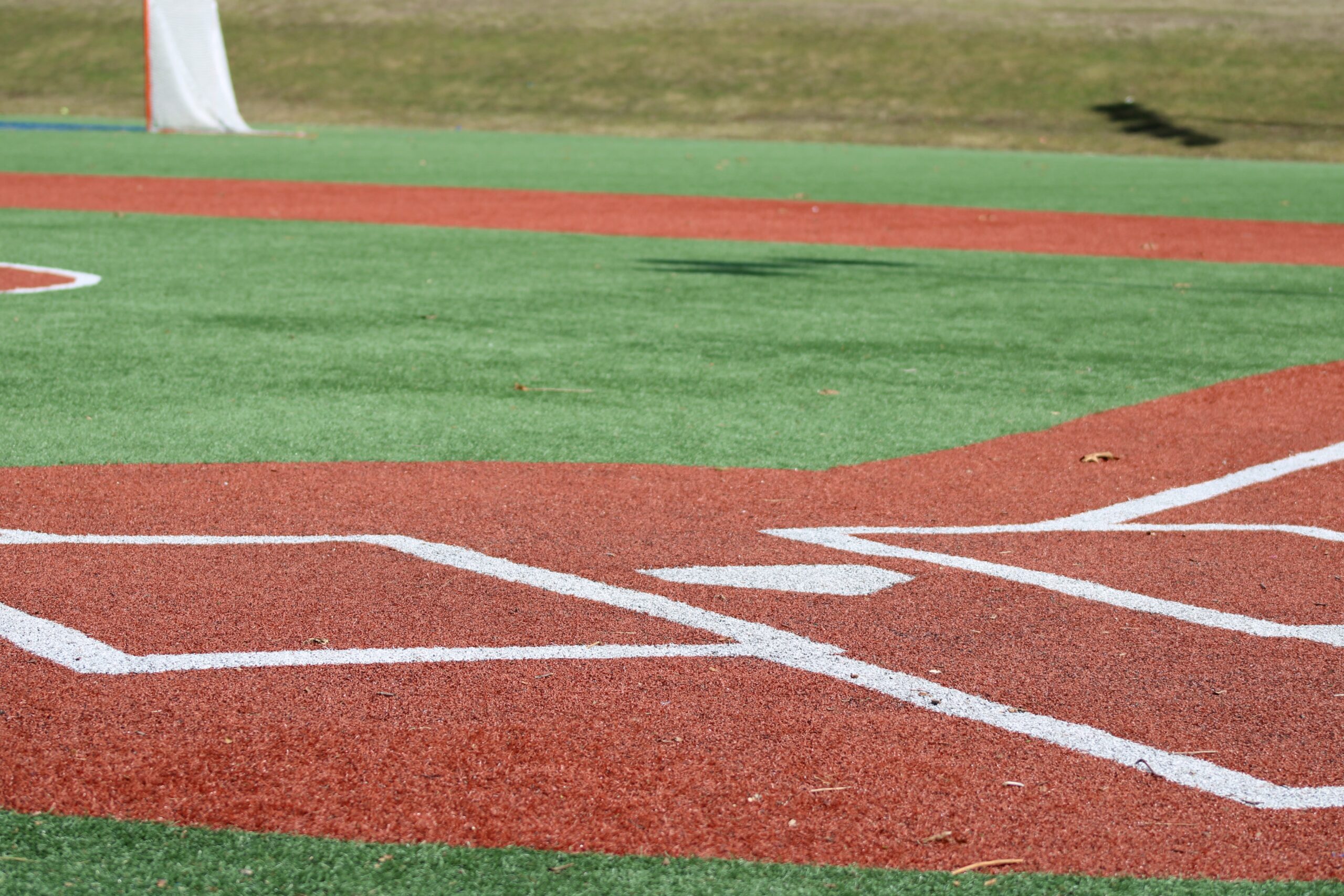
“If you had turf fields, your maintenance budget would go significantly down,” he said in an interview. “The only drawback from that is the upfront cost. It costs a lot more to put turf down than it does to put grass seed.”
NBS declined to comment about turf over grass diamonds.
Their own $20,000 contribution was “a last-ditch effort” with the town to renovate the fields, Fink said at the March Finance Committee meeting. With more funding now secured, NBS may see movement on the issue that Fink said nearly broke their board. “This is all we talk about, is how do we improve our fields,” he said back in January.
“We can rake and make sure we put the dry dirt in the proper spots,” Fink said in January, “but those are Band-Aids.”
Sports Producer Ashleigh Tobin contributed to the reporting of this story.