For Pansy Growers, ‘The Weather Dictates the Crop’

April 6, 2026
• As the weather fluctuates and the climate changes, so too do the pansies.
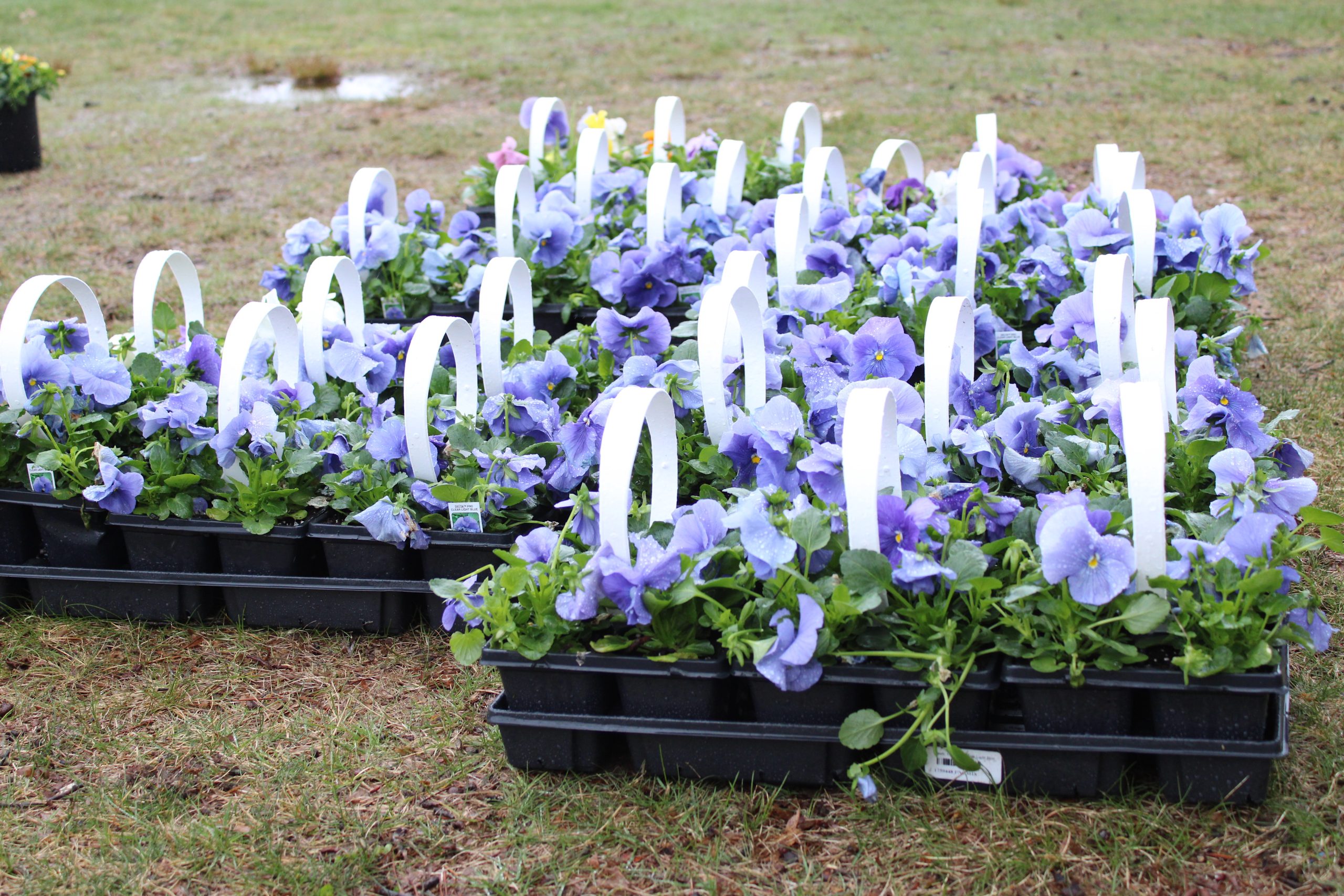
Ahead of Saturday’s Pansy Day, the annual fundraiser for the Needham History Center and Museum, this season’s flower assortment looks to be behind in their growing cycle by about a week or two, said Becky Cook of Needham Garden and Hardware.
The local supply shop works with wholesalers and delivers the flowers to the history center each spring. Most of the pansies are grown in greenhouses, Cook said, meaning the crops “are pretty easy to control.” However, cold and rainy or snowy nights can become “a cocktail for frost,” which is bad for potted plants like pansies, Cook said.
“Last year, most people had their pots already done up and adorned before the Easter holiday,” Cook said. “This year, we’re still looking at like a 20-degree night this coming [Tuesday]. It really just works with the weather, and the weather dictates the crop.”
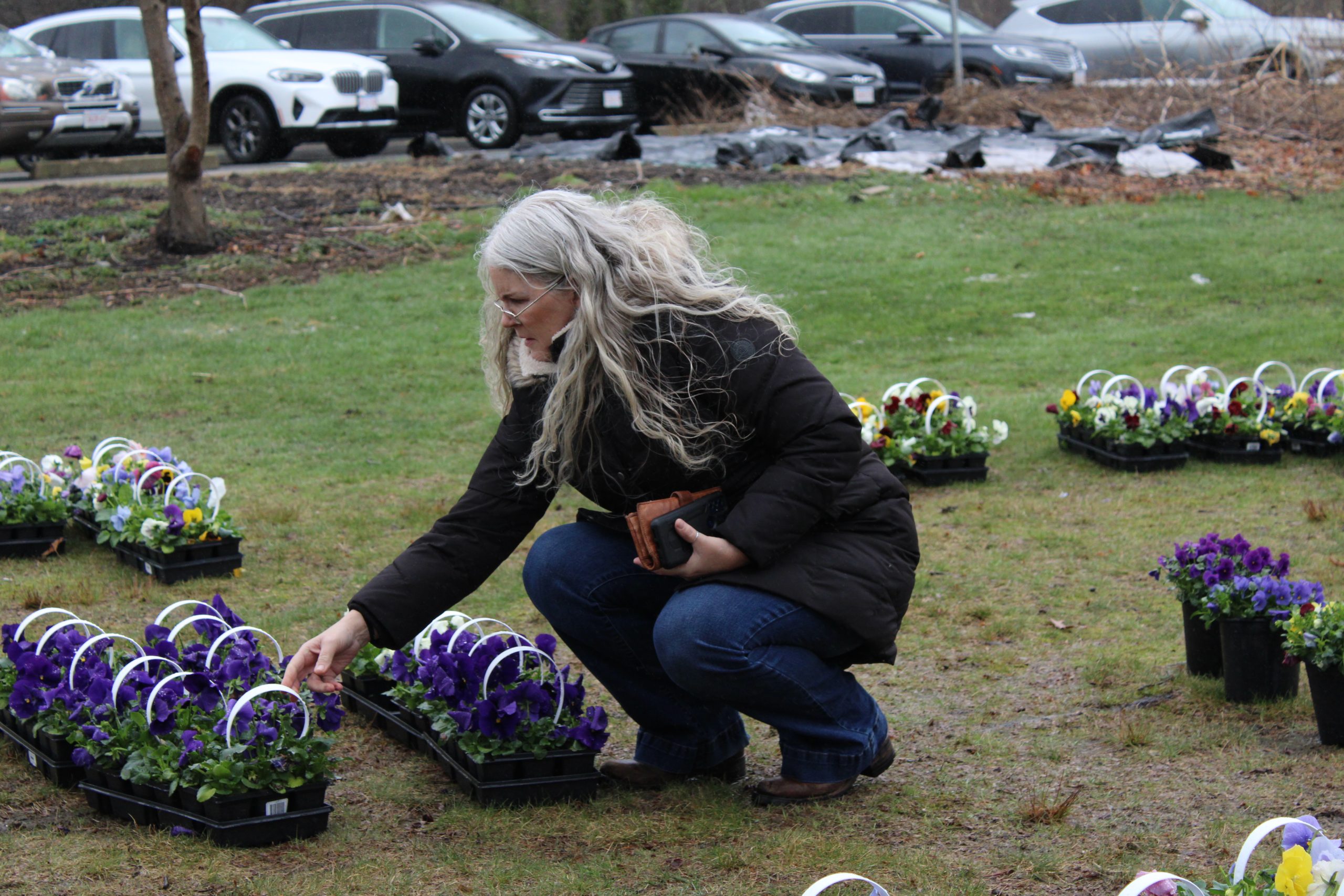
The history center typically offers upwards of 1,000 individual plants, pots, hangers and other styles. Kathy D’Addesio, co-chair of the fundraiser alongside Ellen Barnes, recalls selling smaller pansies about 10 years ago. Other times, their pansies aren’t in bloom yet.
“We’d say, ‘Oh, those are the purple ones, those are the yellow ones,’ and they’d say, ‘You sure?’” D’Addesio said. “It most definitely depends on the weather, but we’ve been fortunate that we get our pansies here, closer to Needham, and most times, they’re in nurseries and greenhouses.”
Cook said the flowers come from two local suppliers: Cavicchio Greenhouses in Sudbury and Berry’s Greenhouses in Medway.
Pansies are “cold-hardy” plants, meaning they’re reliable at the beginning of the springtime, Cook said. They also thrive in the current wet weather, as do other native plants, she added.
But as the climate warms, those ideal conditions may permanently change. Gabby Queenan, the town’s sustainability manager, said northern New England is used to milder summers and predictable rain patterns, which could both be impacted as a result of climate change.
That looks like summer flash floods and flash droughts, Queenan said, and winters in the Commonwealth will become warmer and shorter. As the oceans warm, cold air moving over the oceans could create blizzard conditions, she said, but the air will actually get warmer and ultimately mean less snow.
“The plants that used to grow here pretty easily maybe are not growing as easily,” she said, “and in some cases, other plants are moving in that are more accustomed to that variability.”
By 2050, Massachusetts’ climate will more closely resemble that of Maryland or Virginia, she added.
A climate-smart gardening guide, published by UMass Amherst last year, includes a list of plant species gardeners can plant in an effort to “support the future biodiversity and resilience of your garden and nearby ecosystems,” the report said. Pansies do not appear on the list for Massachusetts.
“Planting native species and near-native species from nearby ecologically similar regions can help them move in response to warming conditions,” the guide stated.
That doesn’t mean we won’t still have beautiful flowers, Queenan said, but that the flowers “might look a little different.”
“Every year, we’re going to lose some of our existing native species as they migrate north,” Queenen said, “but we’ll be welcoming in some new species from the mid-Atlantic, upper South, who are better adapted to the reality that we’re facing day-to-day.”
D’Addesio said this year’s batch will likely arrive on Thursday. She predicts a good-looking variety of purples, hybrids and more this year. She’s more worried about inclement weather Saturday morning, as the last two years have been rainy and cold.
Proceeds from Pansy Day go toward the Needham History Center and Museum’s programming.
D’Addesio plants her pansies at the front of her house each year, where they get lots of sun. She said she’d like to see the flowers survive part of the summer — weather permitting.
“I’m hoping that they will last till the Fourth of July,” she said.
Marc Mandel, executive director of The Needham Channel, is a board member at the Needham History Center and Museum. He was not involved in the writing or editing of this story.