Thumbs Up for the Dump

December 1, 2025
• In a survey conducted earlier this year, residents reported feeling satisfied with the Recycling and Transfer Station, though some identified a desire to change the hours of operation and make other small improvements.
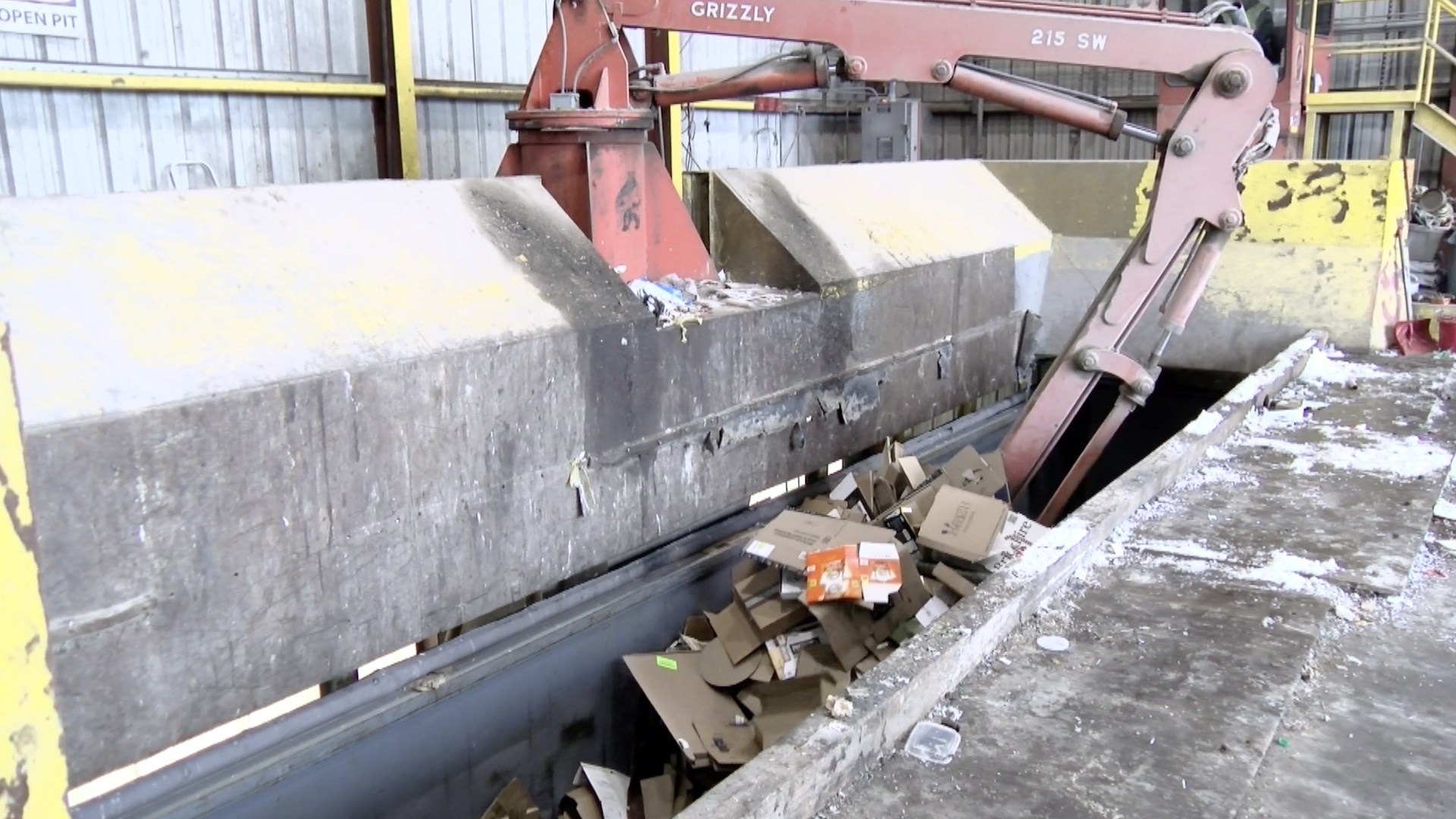
Of the approximately 90% of Needham residents who use the Recycling and Transfer Station, the waste disposal site off of Central Avenue, the majority enjoy the station’s convenience, variety of services, cleanliness and safety, according to survey results gathered by Tetra Tech.
However, prior to the permanent shift in hours that started in September, survey respondents reported a need for additional operating hours. Most people visit the RTS at least once a week and on Fridays and Saturdays, but the facility now closes at 12 p.m. on Fridays year round.
During a Select Board meeting on Nov. 25, Superintendent of Solid Waste and Recycling Matthew DeMarrais said some residents still don’t know about the change in Friday hours. But since changing their opening time, DeMarrais said they’ve alleviated some congestion.
“We do get people at the gate at 7 [a.m.]. It used to be at 7:30, there could be a line on a Tuesday morning that actually impacted traffic on Central Ave… That’s gone, obviously,” he said.
Some users are still dropping off waste at closing at 4 p.m., he added. Extending hours into the evening, particularly in the winter, could pose difficulties for RTS staff, given the earlier sunsets.
This is the first resident survey regarding the town’s service delivery model in more than 20 years.
About 20% of Needham households, or 2,318 people, responded to the RTS use survey, which was conducted over a two-week period in February. While about 72% rely solely on the RTS, another 17% use both the RTS and curbside waste collection. Of those surveyed, nearly half report a desire to use both curbside and the RTS.
Should the town consider trash pickup, whether through themselves or a private hauler, there would come a cost. Tetra Tech’s estimations put self-collection pickup at around $637,800 to $717,800 annually on top of one-time costs between about $2.9 million and $3.7 million, and that would have property tax implications. A private trash contract would cost about $2.75 million, costing the average household $183, according to estimates.
In the survey, residents indicated strong opposition to a tax increase for curbside services — about 64% reported they would not support it.
Nearly all RTS users visit the dump to dispose of recycling (96%) and trash (94%). About 80% of respondents also use the Re-Use It Swap Shop, which residents use to drop off or pick up household items for free, and use the composting facility for yard waste. The RTS also accepts clothing and textiles, bulky items such as mattresses, paint and scrap metal, which are also popular uses for survey respondents.
Despite the high use of the facility, Department of Public Works Director Carys Lustig said there is still room for growth, because “the amount of trash we are able to process through the RTS is significantly higher than what we [actually] process through the RTS.” She indicated there could be opportunities to collaborate with neighboring communities, such as Wellesley.
While survey responses were overwhelmingly positive — with a strong satisfaction with how “intuitive” the RTS is — some residents also noted issues with the faculty’s layout. Debra Darby of Tetra Tech suggested the town conduct a traffic improvement and layout study, between $20-50,000, as well as improved signage around the RTS.
In response to other concerns regarding the yard waste area, which can become muddy and ridden with potholes, Darby said the town could pave the area for around $900,000, though that too could be difficult given the adjacent wetlands. Other potential minor improvements, based on feedback, include expanding the Swap Shop and adding more textile drop-off bins.
There were no major gaps in service or areas of significant need, according to the survey.
The survey did fail to capture younger residents, indicating a need for stronger outreach, Darby said. Interviews with RTS staff also highlighted the need for more communication about the services the RTS provides outside the facility.
Darby underlined the role that transfer stations play, particularly in the northeast, where capacity is more limited.
“Working in the solid waste industry, the value and importance of having a transfer station, it’s a very valuable resource, especially in a metropolitan area, because as properties get subdivided and more homes get built, it’s very difficult to build solid waste facilities,” she said. “But if you have one that exists, it’s so important to keep and maintain the operations.”